When Is the Best Time to Travel to Iquitos? Rain, Rivers and Choosing Your Dates
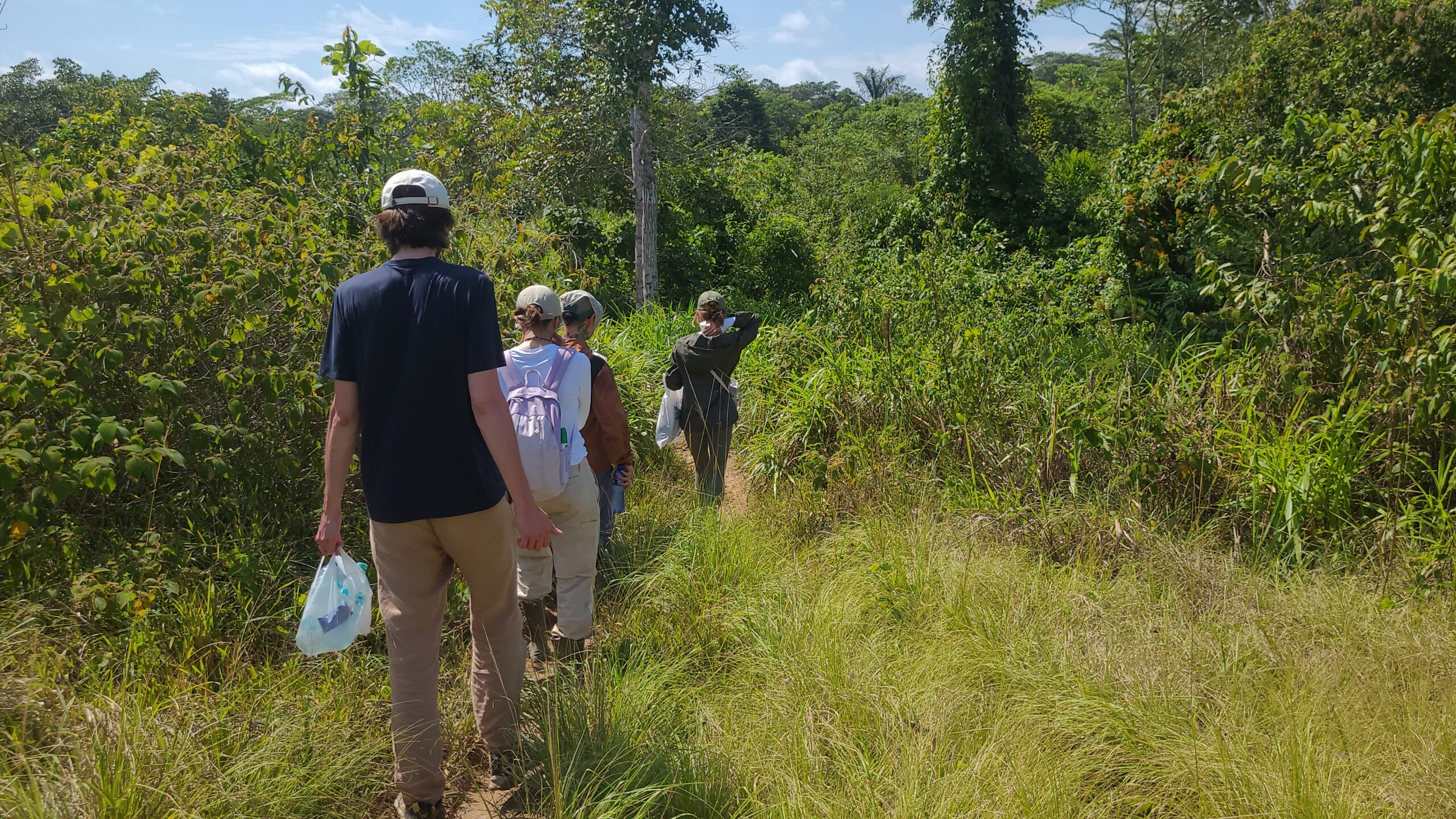
"When is the best time to travel to Iquitos?" is one of the questions people search most often before planning a trip to the Peruvian Amazon. The honest answer is that there is no bad month, but the months are not all the same. What changes through the year is not so much the temperature as the rain, the paths and the level of the rivers.
Here is what the data shows, and how to use it when you choose your dates.
It is warm all year
Iquitos does not have a cold season. Long-term climate averages compiled by WeatherSpark show temperatures that typically range from about 71°F to 89°F (roughly 22°C to 32°C) over the course of the year, rarely dropping below 67°F or rising above 94°F. Humidity is high in every month. If you are deciding between dates, you do not need to plan around heat or cold. Plan around water.
Rain: a wetter and a drier part of the year
According to the same averages, the wetter part of the year runs from around mid-October to early June. March and April are the rainiest months, with about 10 inches (around 255 mm) of rain each. The drier part of the year runs from about June to early October, and July has the least rain, with roughly 4.8 inches (around 120 mm).
"Drier" is relative. Even in July it rains regularly, and a sunny morning can turn into a heavy shower within an hour. What you notice in the drier months is fewer interruptions and paths that are usually firmer. In the wetter months, rain is more frequent, trails can be muddy, and plans may need more flexibility.
River levels: the Amazon rises and falls by meters
Around Iquitos, rivers are roads. Boats carry people, food and supplies, and the level of the water shapes how places are reached. A 2018 study in the Journal of Hydrology: Regional Studies describes a seasonal variation of about seven meters in the Amazon River at the Tamshiyacu station, upstream of Iquitos. The same study places the low-water period at about four months, starting on average at the end of July and ending in early November.
In practice, this means the same route can look and feel different depending on the month. In high water, boats can reach further into flooded areas. In low water, banks are exposed, some landings change, and walking sections can be longer. Neither is better in general. It is simply part of how the Amazon works, and local teams adjust routes and timing to the conditions of the day.
So which month should you choose?
It depends on what matters most to you.
If you are visiting the Amazon for the first time and would like fewer interruptions from rain, the drier months, roughly June to September, are usually easier for walking and outdoor time.
If you are drawn to the forest at its greenest and most intense, and you do not mind rain and mud, the wetter months have their own atmosphere: strong colors, loud nights and full rivers.
If your dates are fixed by work or flights, do not worry too much. Every month is workable. What makes the difference is arriving prepared and leaving some room in your schedule.
Practical tips for any season
Bring a light rain jacket or poncho, quick-drying clothes and shoes you do not mind getting muddy. Pack insect repellent and something to keep your phone and documents dry. Plan a buffer around your flights, because rain and river conditions can slow transfers. Most travelers reach Iquitos by plane, often from Lima, and the last part of the journey to a jungle retreat may include road, boat and a short walk.
Finally, ask the team you are traveling with what the route looks like in your month. A clear answer about timing, transport and what to bring is more useful than any "best month" list.
At Ayaymama Mystic, near Iquitos, we have written more about how the seasons change the jungle experience, how to get to our retreat from Iquitos and what to pack.
Sources: WeatherSpark, Average Weather in Iquitos, Peru; Ronchail, J. et al. (2018), The flood recession period in Western Amazonia and its variability during the 1985–2015 period, Journal of Hydrology: Regional Studies 15, 16–30.


Comments
Post a Comment